Why Do Ice and Ice Cream Machines Create Power Problems for So Many Businesses?
For many business owners, the problem starts when they are ready to install a new ice machine or ice cream machine and realize the equipment needs three-phase power. On paper, the machine looks like the right fit for the business. It has the output you need, the production speed you want, and the reliability your operation depends on. Then the electrical requirements come into the picture, and suddenly the project becomes much more expensive than expected.
This happens often in restaurants, ice cream shops, convenience stores, dairy operations, food production spaces, and commercial kitchens that only have single-phase power available. The machine may be perfect for the job, but the building is not set up with three-phase electrical power. That is when many owners start asking if they can still run their ice or ice cream machine without a full service upgrade.
In many cases, the answer is yes.
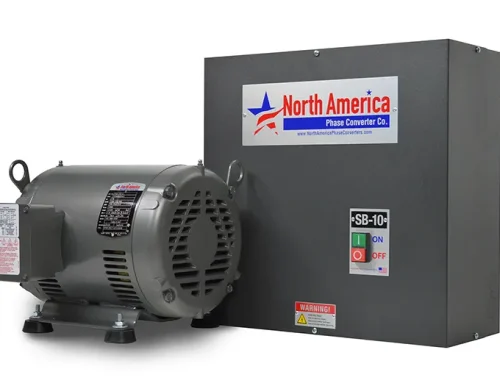
That is where phase converters can make a real difference. Instead of taking on a much larger electrical project just to run one piece of equipment, a properly selected converter may allow you to operate three-phase ice or ice cream machines using the power already available at your location. Common machines we work with at North America Phase Converter Co. include Taylor, Electro Freeze, and Carpigiani machines.
Why Can Bringing in Utility Three-Phase Become So Expensive?
A full electrical 3-phase service upgrade is rarely a quick or simple fix. It can involve utility coordination, permits, inspections, electrical contractors, new equipment, and long scheduling delays. In some cases, the total cost is high enough to make a business rethink the equipment purchase entirely.
That is a major issue for businesses that need dependable refrigeration or frozen product equipment but do not want to take on a large project to get it running. If the main problem is access to three-phase power, a phase converter may offer a much more practical and affordable solution.
That is one reason so many businesses look at phase converters when installing commercial equipment. Instead of waiting for a costly upgrade, they may be able to move forward faster with a system that turns available single-phase power into the three-phase power their machines require. Both rotary phase converters and digital phase converters can help run ice or ice cream machines.
How Can a Phase Converter Help You Use the Power You Already Have?
A phase converter allows certain types of three-phase equipment to operate where only single-phase power is available. For businesses installing ice machines or ice cream machines, that can be a huge advantage. It may allow you to use the location you already have, avoid major construction, and keep startup or expansion costs under better control.
That said, a converter is not a magic fix for every electrical problem. In order for a phase converter to work properly, your building needs to have enough single-phase electrical capacity. If your single-phase service is overloaded or insufficient to meet total demand, additional upgrades may be needed. However, if your building has the required single-phase electrical capacity, a phase converter can provide three-phase power.
That distinction matters. A converter can help produce three-phase power, but only if your building has the correct power requirements.
When Is This a Smart Option for Ice and Ice Cream Machines?
This can be a smart option when a business needs commercial-grade equipment but wants to avoid the cost and disruption of bringing in utility three-phase. Ice and ice cream machines are critical in many operations. Restaurants and ice cream shops rely on them for daily operation. Convenience stores need them for drinks and food storage. Food production businesses may use them as part of a larger cooling or processing setup.
In these situations, a phase converter can be an efficient way to make the equipment usable in a building that otherwise would not support it. This can save business owners thousands by avoiding large electrical upgrades.
Still, every application has different power requirements, and it is important to keep this in mind during sizing. Some equipment is relatively straightforward, while other machines have stricter startup requirements, heavier loads, or strict voltage requirements.
Why Does Equipment Type Matter More Than Many Buyers Expect?
Ice machines and ice cream machines are not all built alike. Some are smaller commercial units, while others are larger production machines that operate under heavier demand and longer cycles. Depending on the model, the machine may include compressors, motors, refrigeration components, and control systems that place specific demands on the power supply.
That is why the selection process matters so much. A converter that looks fine on paper but is not suited to the actual load can lead to startup trouble, inconsistent performance, nuisance trips, or overheating. In a food-related business, those problems are more than just annoying. They can interrupt production, affect customer service, and create unnecessary downtime.
The goal is not just to get the machine to power on, but to make sure it runs smoothly, especially during the busiest parts of the day.
How Can the Right Setup Give a Business More Flexibility?
One of the biggest advantages of using a phase converter in this situation is flexibility. A full electrical service upgrade is a large commitment from the start. A converter is often a more targeted investment that can help a business move forward without tying up as much time and capital. That matters for growing businesses. Instead of putting a large amount of money into infrastructure first, owners may be able to invest in equipment, staffing, inventory, or other operating needs.
In the right setup, phase converters can give businesses a practical path forward when three-phase equipment and single-phase service need to work together.
Why Is Proper Installation Still So Important?
Even when a phase converter helps avoid a full service upgrade, proper installation still matters. Commercial food equipment is too important to leave to guesswork. Wire sizing, grounding, circuit protection, ventilation, and correct placement all affect performance and safety.
That is especially important with refrigeration and frozen product equipment because reliability matters every day, not just at startup. A well-planned installation supports smoother operation and helps reduce the risk of electrical issues that could interfere with production.
Choosing the right converter is only part of the process. The rest of the system has to be set up correctly, too. Installation should be completed by a licensed electrician and follow all National, State, and Local electrical codes.
Can a Phase Converter Be a More Practical Way to Power Ice and Ice Cream Machines?
In many cases, yes.
If your building has adequate single-phase service and your main challenge is running three-phase ice or ice cream equipment, a phase converter can be a practical and cost-effective alternative to a full electrical service upgrade. It can help reduce delays, control costs, and make it easier to install the equipment your business needs without taking on a much larger project than necessary.
The key is to plan around the actual machine, the load type, and the way the equipment will be used day to day. When the converter is selected correctly and installed properly, it can be a smart solution for businesses that need dependable performance without the expense of a major utility upgrade.
One of North America Phase Converter’s experienced engineers can help you determine which phase converter will work best for your ice or ice cream machine. Call us at 877-545-2926 or email us at info@napces.com to get started.