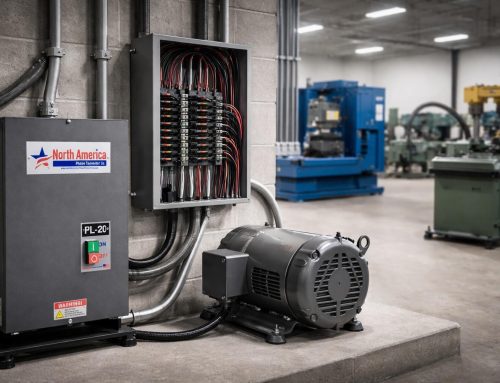
If you are trying to run a CNC machine in a building with only single phase power, this is one of the first questions that comes up. Is a digital phase converter the better option?
In many cases, yes.
CNC machines are different from basic shop equipment. They do not just need enough power to turn on and stay running. They depend on stable, balanced power to support controls, drives, and other sensitive electrical components. That is why the type of phase converter you choose can make a big difference in how the machine performs day after day.
For many shops, digital phase converters are worth a close look because they are built for applications where precise power matters.
Why CNC Machines Need More Than Just Three Phase Power
A CNC machine is not simply a motor with a switch. It usually includes control boards, servo motors, variable frequency drives, and electronic systems that all rely on consistent input power. When that power is unstable or voltage is unbalanced, the machine may still run, but not as smoothly or reliably as it should. This can lead to problems in the long run.
A CNC machine dealing with poor power quality may trigger alarm codes, startup issues, inconsistent cutting performance, or random faults that are hard to trace. Even when the machine seems to be working, unstable power can create frustration, downtime, and extra wear over time.
That is why shops with CNC equipment often pay closer attention to the power source than shops running other machinery or motor loads. It is not only about getting the machine moving but about helping the machine operate the way it was designed to operate.
What Makes a Digital Phase Converter a Better Fit
A digital phase converter is often a better match for CNC equipment because it is designed to deliver more balanced voltage output. That matters when the machine includes sensitive electronics that do not respond well to voltage swings or uneven phase balance.
This is one of the biggest reasons many buyers start by looking at digital phase converters when they need to power a CNC machine. Digitals provide clean power to help the CNC machine perform reliably and precisely.
For a shop owner, that can mean more than technical numbers on a spec sheet. It can mean fewer nuisance problems, more confidence in the machine, and less time spent wondering whether the power source is behind a fault or performance issue.
A digital system is often attractive because it helps protect a much larger investment as CNC machines are often expensive. The power solution feeding it should match that level of importance.
Can a Rotary Phase Converter Still Work for CNC Machines?
Yes, in some situations it can with the right rotary phase converter. A properly sized rotary phase converter is still a solid option for certain CNC applications. Some shops use rotary systems successfully, especially when the machine is older, less sensitive, or the converter setup is specifically designed to support voltage sensitive loads.
If you’re looking for a rotary option, NAPCco’s Pro-Line series of rotary phase converters is engineered to operate CNC machines by keeping phase-to-phase voltage balanced within +/- 5%.
Saying a digital phase converter is often better does not mean every rotary converter is the wrong choice. However, CNC machines usually benefit from tighter voltage control that digital systems are engineered to provide.
What You Should Look at Before Choosing
Before deciding on a phase converter, it helps to look at the full application instead of only the main spindle horsepower or running amps.
Start with the machine itself and look at the spindle motor, the controls, the drives, and the electrical sensitivity of the system. It is also important to think about how the machine will be used in the shop; Will it run alone, or will other machines run at the same time? Are you planning for one CNC machine now, or will you add more machines in the future?
These details matter because the wrong setup can create problems. Good results depend on matching the phase converter to the machine and the working conditions.
That is another reason many shops lean toward digital phase converters for CNC equipment. When the goal is stable performance and reliable operation, cleaner and more balanced power becomes a major advantage.
Choosing the Right Power Setup for Your CNC
So, is a digital phase converter better for CNC machines?
For many modern CNC applications, the answer is yes.
If your machine relies on sensitive electronics, precise controls, and consistent performance, a digital phase converter is a smart and reliable option. It can provide the kind of balanced power that helps the machine run smoothly and with fewer electrical issues.
That does not mean every CNC machine needs one. Some setups can still perform well with the right rotary system. But if you are looking for a solution that matches the demands of CNC equipment, digital is often the stronger choice. NAPCco’s team of experienced technicians can help you find the right phase converter for your CNC application.