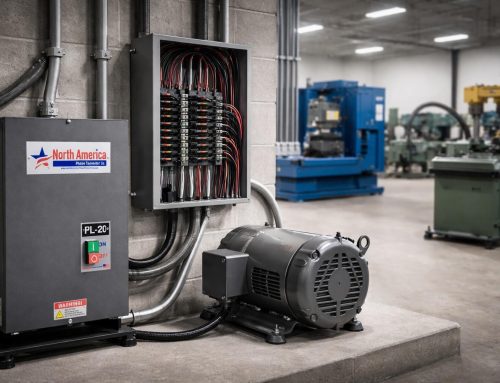
Starting torque matters because many industrial machines need a strong push of current to get moving. When a motor is first turned on, it draws anywhere from 5 to 8 times its normal running amperage.
A motor may run well once it reaches speed, but starting under load is a different challenge. If there is not enough torque during startup, the motor can struggle, heat up, trip a breaker, or fail to start.
For shops running 3-phase equipment on single-phase power, a properly sized phase converter is what provides the starting torque needed.
What Starting Torque Means
Starting torque, also called locked-rotor torque, is the rotational force a motor produces when it first turns on after being at a standstill. Some machines need only a small amount of force to start. For example, a small drill press or table saw has an easy time getting up to speed.
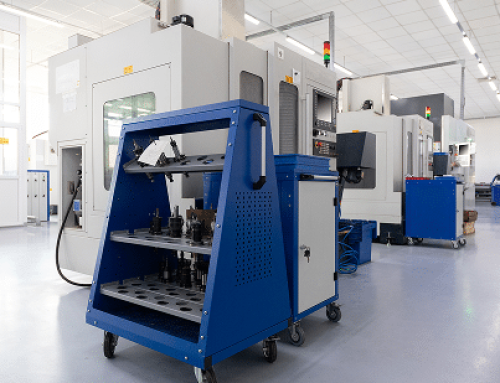
Other motors need significantly more force because they move heavy parts or start while already under load. Air compressors, hydraulic pumps, blowers, dust collectors, lathes, industrial fans, conveyors, widebelt sanders, and planers often need strong starting torque. These machines need to overcome high inertia to reach operating speed without straining the motor.
For instance, a conveyor often starts under load, meaning there are already objects on the belt before startup. Not only does the motor have to overcome the inertia of getting the conveyor moving from a complete stop, but it needs to handle the added weight of the objects.
If the motor does not get enough balanced power from the phase converter during startup, it may start slowly, pull too much current, or stall.
Why 3-Phase Power Produces Better Starting Torque
A 3-phase motor has three separate windings inside, spaced 120 degrees apart. When energized, they create a continuous rotating magnetic field inside of the motor.
This differs from a single-phase motor, which has only two windings, spaced 180 degrees apart. These motors need additional components to get started, contributing to efficiency losses and complexity.
3-phase motors are designed to create smoother rotational force than single-phase motors, which is why they are often used in industrial machinery. That smoother power helps motors start stronger, accelerate more evenly, and run with less vibration.
How a Phase Converter Supports That Process
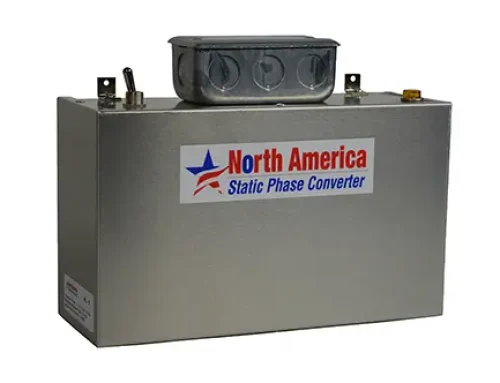
A phase converter allows a 3-phase motor to operate in a building with single-phase power, while still feeding the motor the balanced power it needs to run properly. A properly sized phase converter helps to protect the connected loads.
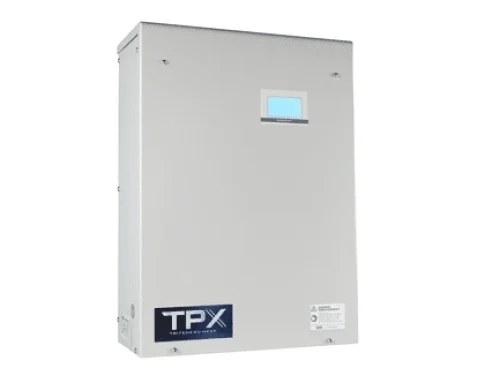
Some phase converters include built-in digital controllers specifically for loads that demand substantial starting torque. The controller in a Smart-Boost™ phase converter helps with startup by providing the 3-phase motor with 300% more starting current than a traditional rotary phase converter.
Stable Power During Startup
Startup is one of the most demanding moments on a motor. Voltage sag is a temporary reduction in voltage that can occur during motor startup due to the high current demand. Occasional voltage sag is normal, but it becomes an issue when it’s severe enough to significantly reduce motor torque and affect proper startup.
An undersized or poorly engineered phase converter can make voltage sag worse. If the phase converter is too small, it will be unable to provide the current the 3-phase motor needs without its own output voltage falling.
A phase converter that is larger than the connected load will provide a strong and stiff generated leg, while being less prone to voltage sag. This in turn leads to smoother acceleration and fewer startup problems.
Why This Matters in a Shop
Poor startup performance can interrupt production. A machine that struggles to start may trip breakers, overheat, or force operators to stop and reset equipment.
Good starting torque helps you start your machines with confidence, especially when you know the converter can handle heavy loads.
For busy shops, reliable starts mean less downtime, fewer delays, and less stress on electrical components.
The Right Size Makes the Difference
A phase converter cannot perform well if it is undersized. Heavy motors need enough capacity not just while running, but also during startup.
To size a rotary phase converter for very hard starting loads, multiple the motor’s HP by at least 2.5. For example, a 10HP air compressor would need a 25HP rotary phase converter. However, if the rotary phase converter has a current booster mechanism to manage startup torque, a 20HP rotary converter would work in this case.
Choosing the correct phase converter helps machines start properly, run smoothly, and avoid unnecessary electrical strain. NAPCco’s sizing calculator provides a good starting point in determining the correct converter size.
You can also call or email North America Phase Converter Co. directly, and one of our experienced technicians will help you find the right phase converter based on the starting torque your machine needs.