Many shops, farms, and small businesses face the same electrical problem. Their location has single-phase power, but the equipment they need runs on three-phase power. This is common with CNC machines, lathes, mills, pumps, compressors, woodworking equipment, center pivots, and many other commercial or industrial machines.
Installing three-phase utility service can be expensive, and in some locations, it may not even be available. A digital phase converter gives business owners another option. It allows three-phase equipment to run from an existing single-phase power source without replacing the machine or upgrading the entire utility service.
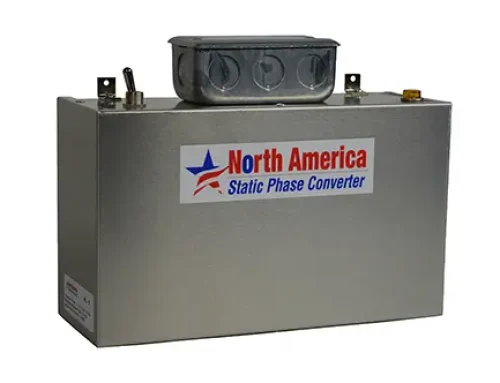
The idea may sound technical, but the basic function is simple. A digital phase converter takes single-phase power, creates the missing third phase, and sends balanced three-phase power to the connected equipment.
What a Digital Phase Converter Does
A digital phase converter converts single-phase power into usable three-phase power. Most homes, rural buildings, small shops, and smaller commercial spaces are supplied with single-phase electricity. Many industrial machines, however, are designed for three-phase power because it helps motors run smoothly, start more efficiently, and handle heavier workloads.
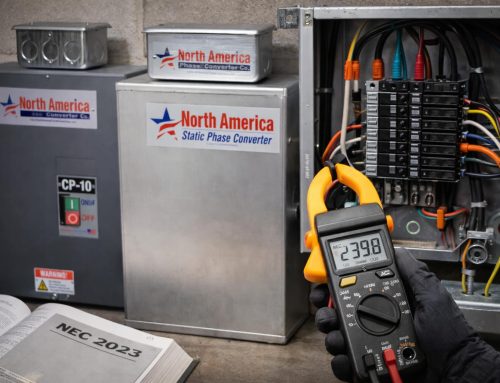
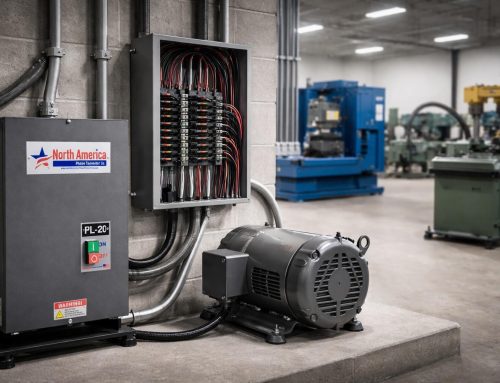
The converter works as the connection between the power available in the building and the power required by the machine. Instead of bringing in new utility service, a shop can use a digital phase converter to convert single-phase power into three-phase power.
Digital models use electronic controls to create and manage the third phase. Unlike rotary phase converters, they do not rely on a spinning idler motor. This makes them especially useful for equipment that needs clean, stable, and well-balanced power.
How Single-Phase Power Becomes Three-Phase Power
Three-phase power uses three separate lines of alternating current. These lines work together, but they do not peak at the same time. That timing difference gives three-phase motors smoother rotation and better performance under load.
Single-phase power does not include all three of those power legs. A digital phase converter takes the incoming single-phase power and electronically creates the missing third phase. Once the third phase, also known as the manufactured leg, is created, the machine receives the type of power it was built to use.
The converter does more than simply pass power through. Inside is a microprocessor that constantly monitors the incoming power and manages the output voltage, making sure your machine is receiving balanced power.
Why Voltage Balance Matters
Voltage balance is one of the main reasons many buyers choose a digital phase converter. When voltage is unbalanced, a motor can run hotter, lose efficiency, or struggle when the load changes. Over time, poor voltage balance can put extra stress on equipment.
This matters even more with CNC machines and other voltage sensitive equipment. CNC machines often include motors, drives, control boards, and electronic systems that depend on steady input power. If the power is not stable, the machine may show faults, shut down, or perform inconsistently.
A digital phase converter is designed to create stable and balanced three-phase power. That makes it a strong choice for CNC equipment, precision machinery, elevators, and other applications where power quality is extremely important.
What Happens Inside the Converter
Inside a digital phase converter, solid state electronics manage the power conversion process. Instead of using a motor to generate the third phase, the unit uses digital controls and electronic components to create and regulate the output.
The process begins when single-phase power enters the converter through terminals L1 and L2. The converter reads that incoming power, manufactures the third leg, and sends three-phase output to the connected machine.
While the machine runs, the converter continues to monitor the load. This is important because equipment does not always need the same amount of power. Machines often demand more current to get started, before settling into a different current demand when running. Some equipment also changes load during operation.
A digital converter can respond quickly to those changes and help keep the output stable.
Why Digital Phase Converters Are Useful for CNC Machines
CNC equipment often needs more than basic power conversion. These machines may include computer controls, servo drives, variable speed components, and sensitive electronics. This means they need three-phase power that is steady, balanced, and reliable.
That is why many machine shops look at digital phase converters for CNC applications. A digital system helps support smooth performance and consistent operation. It can also reduce the risk of power related problems that interrupt production or place unnecessary stress on the machine.
Does a Digital Phase Converter Work for Every Machine?
A digital phase converter can work well for many types of three phase equipment, but proper sizing is essential. The unit needs to match the machine’s voltage, type of machine, horsepower, full load amps, starting demand, and running load.
Some machines are easier to start than others. Compressors, pumps, and machines with heavy rotating parts are considered hard-starting loads, meaning they pull more power during startup than lighter equipment. That is why horsepower alone does not always tell the full story. A 5HP air compressor may need a larger phase converter than a 5HP table saw.
It is also important to consider whether or not more than one machine will run at the same time.
A Practical Way to Power Three-Phase Equipment
A digital phase converter gives shops, farms, and businesses a practical way to use three-phase machinery where only single-phase power is available. It creates the missing third phase, helps balance voltage, and supports equipment that needs reliable power to perform well.
For CNC machines, machine shops, commercial equipment, and voltage sensitive applications, a digital system can offer a clean and controlled power solution.
North America Phase Converters helps customers choose the right digital phase converter based on the equipment they need to run. TritonPro Maxx digital converters help businesses power three-phase machinery safely, efficiently, and with more confidence. Contact us today to talk with one of our experienced application engineers.