

If you’re setting up a new shop, one question that often comes up is, “How far can I run wire from my phase converter to my equipment?” The answer depends on several factors, and getting it wrong can lead to performance issues or even equipment damage. With the right planning, you can run your wiring safely and keep your machines running at full power.
Understand Voltage Drop
The main concern when running wire over a distance is voltage drop. As electricity travels through wire, it loses voltage along the way. If the drop is too great, your equipment may run inefficiently, overheat, or fail to start. For three-phase power from a converter, keeping voltage drop under 3% is ideal.
Check Your Wire Size
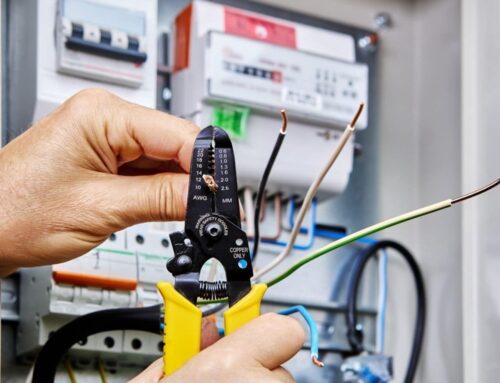
Wire size is your first line of defense against voltage drop. Thicker wire (lower AWG number) has less resistance and can carry power farther without losing voltage. For example, a 10-gauge wire can carry a load farther than a 12-gauge wire without exceeding the 3% drop limit.
Always match the wire size to both the distance and the amperage your equipment requires. Your local electrical code will list minimum sizes, but going one size larger can be a smart move if you’re running long distances.
Account for the Equipment Load
The bigger the load, the more current your phase converter must deliver, and the larger the wire needs to be for longer runs. A 5 HP motor doesn’t need as much current as a 20 HP motor, so you can run the smaller load farther without increasing wire size.
High-starting-load equipment like compressors or refrigeration units may need heavier wire even for shorter runs to handle inrush current.
Distance Guidelines
There’s no single “maximum distance” because it depends on voltage, amperage, and wire size. As a general rule:
- For runs under 50 feet, standard wire sizing usually works fine.
- Between 50 and 150 feet, you may need to go up one or two wire sizes to keep voltage drop in check.
- Beyond 150 feet, you must carefully calculate voltage drop or you risk poor performance.
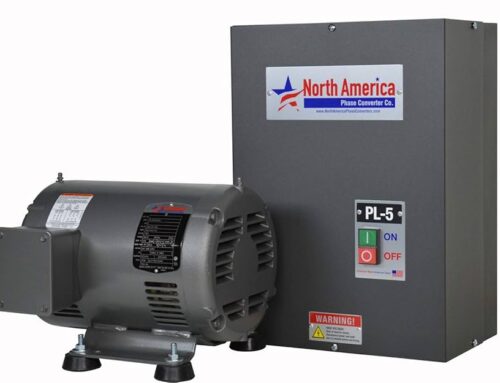
If you’re unsure, North America Phase Converters can help you figure out the right wire size for your specific distance and load.
Consider Conduit and Environment
Long runs of wire often go through conduit, which can trap heat. In hot environments, this can reduce the wire’s ability to carry current. Outdoor or underground runs also need insulation rated for the conditions. These environmental factors can require upsizing your wire or using special cable types.
Single Long Run or Subpanel?
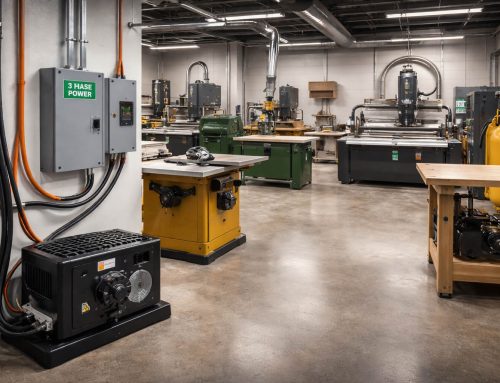
If you have multiple machines spread out over a large shop, it may be better to run one larger wire from your phase converter to a subpanel closer to the equipment. From there, you can run shorter wires to each machine. This can reduce overall voltage drop and simplify your wiring layout.
Don’t Forget the Ground
Long runs need a proper ground wire sized to match the circuit. A good ground is essential for safety and for preventing damage to sensitive electronics in your equipment.
Work with Your Converter’s Output Voltage
If your phase converter is set up for 240V output and you have a long run, voltage drop could lower the voltage enough to cause motor issues. In some cases, slightly higher output voltage can offset the drop over distance, but this should only be adjusted by a qualified technician.
When in Doubt, Plan for Extra Capacity
It’s better to slightly oversize your wire than to risk performance problems. Oversizing means less voltage drop, cooler operation, and more room for future expansion if you move or add equipment.
Get Expert Help Before You Install
Wire runs are permanent once installed, so planning is everything. At North America Phase Converters, we work with customers every day to make sure their wiring is safe, efficient, and ready for the load. Whether you’re running 30 feet or 300 feet, our team can guide you through wire sizing, conduit choices, and layout options.
Need help planning your wiring? Contact us today, and we’ll make sure your setup delivers the right power all the way to your equipment with the right phase converters.