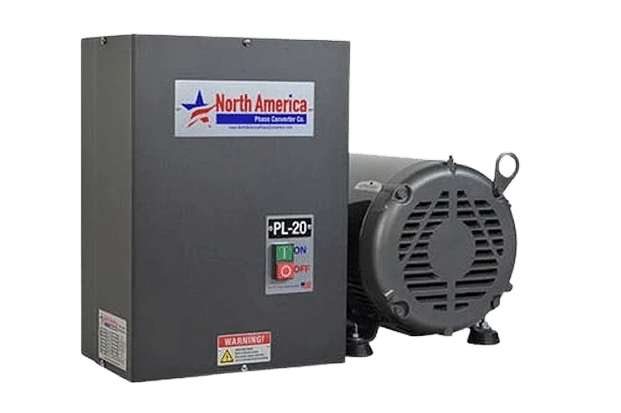
If your machine is running hotter than usual, the phase converter might be the culprit. When a converter isn’t sized properly or isn’t the right type for your load, it can create voltage imbalances that overheat your equipment. This isn’t just bad for performance—it can shorten the lifespan of your motor and may lead to motor issues.
The Root of the Problem: Voltage Imbalance
Most overheating issues in phase converter setups can be traced back to voltage imbalance. A rotary phase converter, for instance, generates the third leg of power, but if that leg isn’t balanced with the other two, it can create excessive heat. A difference—say, 10-20%—might seem harmless, but over time, it stresses motors and control systems.
Too much or too little voltage on any leg leads to:
- Increased current draw
- Reduced motor efficiency
- Shortened winding life
- Excessive heat
That heat doesn’t always trigger protection systems immediately, so by the time you notice, your motor may already have issues.
Improper Sizing Causes Overheating Too
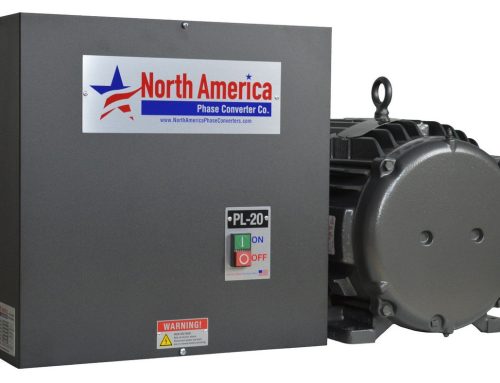
One of the biggest issues we see at North America Phase Converters is that users tend to undersize their rotary phase converter. Using the wrong size converter is another major cause of overheating. If your phase converter is too small for the motor it’s powering, it will struggle to supply consistent voltage, causing your equipment to overwork and overheat.
On the other hand, oversizing can also lead to poor performance; however, this is not the case with North America Phase Converters. Some manufacturers have high output voltage and require a minimum load on the phase converter to balance the voltage. A converter that’s much larger than necessary may generate excessive voltage on the manufactured leg, pushing your equipment to run hot and out of spec. At NAPCco, our Pro-Line rotary phase converters are balanced within 5% phase-to-phase, meaning you cannot oversize them.
Make sure your converter matches the type of load (resistive, inductive, or mixed) and the horsepower requirements of your equipment.
What Are the Signs of Overheating?
If you’re not sure whether your converter setup is causing heat problems, check for these signs:
- Warm or hot motor casings
- Unusual noises or humming
- Trips or resets in thermal overload protection
- Discoloration or smell from electrical panels or motor
- Declining performance over time
How to Diagnose the Problem
Start by checking the output phase-to-phase voltage across all three legs while the equipment is running—not just at idle. Use a multimeter and compare:
- T1 to T2
- T2 to T3
- T1 to T3
A healthy balance should be within ±5% across all pairs. If one leg (typically the manufactured leg from the converter) is significantly out of range, that’s likely the cause of overheating.
If you’re unsure how to do this safely, contact an electrician or refer to this phase converter testing guide to walk through the basic steps.
Converter Type Matters
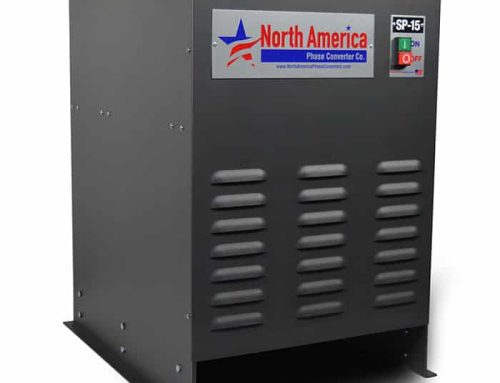
Not all converters are created equal. Static converters or digital phase shifters, for example, are only designed to start motors and will not run them at full load. Running your equipment on a static converter can cause overheating because the motor only receives two-thirds power when running.
Rotary converters are better suited for running loads, but even then, they must be well-balanced to ensure optimal performance. Digital phase converters often provide the cleanest and most consistent power, making them ideal for sensitive or high-precision equipment.
You can explore different options and learn more on our phase converters page.
Maintenance and Installation Issues
Even with the right converter, poor connections or worn components can disrupt voltage delivery. Check for:
- Loose wires or corroded terminals
- Faulty capacitors
- Improper grounding
Preventive maintenance is key. A once-a-year inspection and cleaning can extend the life of your converter and keep your equipment running cooler and more efficiently.
Don’t Ignore the Heat
Overheating is not just a nuisance—it’s a warning. It tells you your converter and equipment aren’t in sync. Whether it’s sizing, wiring, or imbalance, finding the source now can save you costly repairs later.
If you’re unsure where to begin, visit our phase converters page for resources, guides, and expert help. You can also contact our experienced technical support team to help determine which phase converter is ideal for your application and guide you through troubleshooting steps if heat issues arise.