
If you operate a woodworking shop, you already know that dust collection is as important as the machinery itself. Tools like planers, jointers, and table saws need steady power to perform well, and dust collectors need strong airflow to keep the workspace safe and clean. The question many wood shop owners ask us is whether both systems can be powered by the same phase converter. The short answer is yes, but only if it’s the right type and properly sized.
Understanding How a Phase Converter Works
A phase converter takes single-phase power and converts it into three-phase power, so your equipment can operate as designed. In most workshops, three-phase power isn’t available from the utility company or too expensive to install. This makes converters a smart and affordable alternative for powering your equipment.
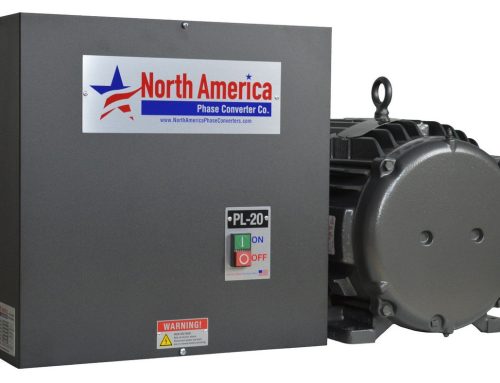
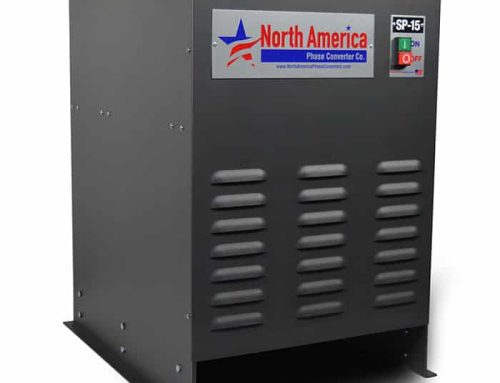
There are three main types of phase converters: static, rotary, and digital. For running both woodworking machines and dust collectors at the same time, digital or rotary phase converters are the most reliable choices. These types of converters utilize existing single-phase electricity and transform it into three-phase power efficiently. Both digital and rotary phase converters can handle continuous loads and frequent on-and-off cycling without losing balance or overheating. Static-phase converters are suited for lighter loads and may not support the full range of woodworking machinery.
If you’re considering an upgrade, take a look at the options available at North America Phase Converters to find systems specifically built for woodworking shops. We help woodworkers every day find the right electrical equipment for their application.
Critical Factors to Consider
When selecting a phase converter, it’s crucial to consider the details of your setup, such as what type of machinery you’re running, the total power required, and the specific operating conditions in your shop. This careful approach helps ensure you choose the right product for your needs, leading to reliable operation and long-term efficiency.
Sizing the Converter to Your Load
The key to powering multiple machines on the same converter is proper sizing. When planning your setup, it’s necessary to pay close attention to the horsepower and/or amperage requirements of your equipment.
The first step is to add up the horsepower ratings (or amperage) of all the machines you plan to run simultaneously. You do not need to add up the horsepower for every tool in your shop, just the ones you expect to use at the same time.
For example, if your dust collector uses a 5 HP motor, and you plan to operate a 3 HP table saw and a 2 HP planer at the same time, your converter needs to comfortably handle at least 10 HP of continuous load. Choosing a converter with some extra capacity is always a smart move. It prevents voltage drops during startup and ensures your machines receive balanced power even under heavy demand. Our sizing resources are a great place to start in determining the appropriate converter for your application(s).
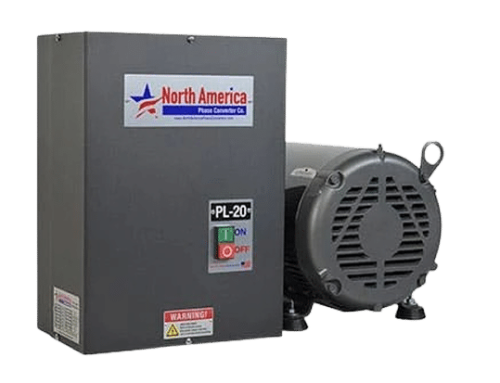
A rotary phase converter changes single-phase power into stable 3-phase power through an idler motor, while a digital phase converter uses electronic controls to balance voltage. Both options are able to run multiple loads at once. Rotary phase converters are typically less expensive, while digital models tend to be slightly quieter and more energy efficient. Depending on your voltage requirements, a rotary phase converter can be paired with a transformer to adjust voltage levels as needed.
To explore both rotary and digital options, explore the phase converter catalog from North America Phase Converters.
Account for Motor Startup Requirements
Dust collectors are hard-starting loads, meaning they require a large initial surge of power when they start up. If your converter isn’t rated for that extra load, it may cause voltage dips that affect other machines running at the same time. The result can be slower startups or occasional tripped breakers.
Digital converters manage this because they sense voltage changes instantly and adjust output in real time. They can provide the extra boost needed to start a heavy dust collector without disrupting your saws or planers.
Rotary phase converters with a digital controller also help boost current during the startup of hard starting/high inertia loads. This allows for extra power during the startup of the equipment, efficiently powering on your machinery.
It’s also important to run properly sized wiring and dedicated circuits to each machine. This ensures balanced power delivery and protects your system from overloads.
Benefits of Running a Shared Phase Converter
Using one converter for both your woodworking tools and dust collector can make your setup more efficient and cost-effective. You save space, simplify wiring, and reduce energy waste. Maintenance is also easier with one converter to check and one system to protect.
When running multiple loads, we recommend wiring from the phase converter to a 3-phase load center with branch circuit breakers to each machine. This will provide each machine with its own overload and circuit protection.
With a properly-sized converter, you can power your tools freely, run the dust collector full time, and know your voltage will stay consistent. It’s an upgrade that improves your productivity and reduces downtime.
Choosing the Right Solution for Your Shop
For small to mid-size woodworking shops where only single-phase electricity is available, either a digital or rotary phase converter offers the best long-term performance. Digital phase converters deliver clean, balanced power and require minimal maintenance. Larger shops that operate multiple heavy machines all day might prefer a rotary converter for its durability and load-handling flexibility.
Either way, the key to selecting the right 3-phase converter is proper sizing and installation. Be sure to carefully select the appropriate phase converter and any necessary accessories to ensure compatibility and optimal performance. When your converter matches your workflow, it feels like you finally have utility-grade three-phase power without paying the electric company to install it.
To find a system that fits your equipment and production needs, visit North America Phase Converters and explore the digital and rotary converters made for woodworking applications. Our experienced team of application engineers is available to help you find the proper solution for your woodworking shop. Secure and flexible payment options are available to provide you with confidence and convenience when purchasing your electrical products.