For many farmers, access to three-phase power is limited, especially in rural areas where most agricultural operations take place. Yet, equipment like grain dryers and augers depends on consistent, balanced power to run efficiently. If only single-phase power is available, rotary phase converters are a practical, cost-effective solution for powering your equipment. They provide farms with reliable three-phase power from a single-phase source without needing to upgrade the electrical service.
The short answer is that yes, you can run grain dryers and augers on a rotary phase converter. But as with most things in agriculture, the details matter. Choosing the right size and type of phase converter makes all the difference between smooth operation and frustrating downtime.
How a Rotary Phase Converter Works
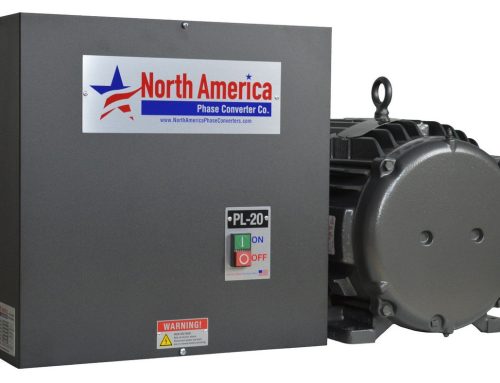
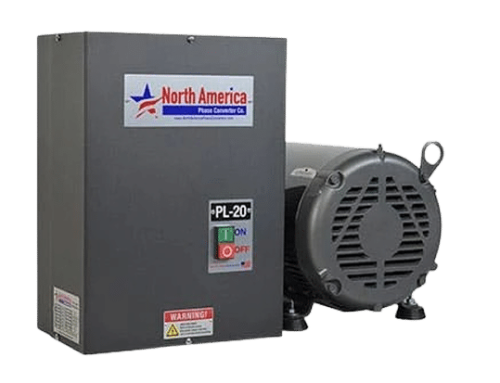
A rotary phase converter creates balanced three-phase power by using an idler motor (also called an idler generator) to generate the missing line of voltage from your single-phase supply. It’s a mechanical and electrical system working together to produce continuous, stable power.
This design makes rotary phase converters especially effective for agricultural equipment that draws steady current for long periods, such as grain dryers. Once running, a properly sized phase converter delivers consistent voltage (+/- 5%) across all three phases, keeping motors cool and efficient even during extended drying cycles.
If you’re comparing systems for your farm, you can view available rotary phase converters from North America Phase Converters to see which one fits your setup.
Why Rotary Converters Work Well on the Farm
Farm operations are demanding. Grain dryers often start under heavy load, and augers cycle on and off as you move grain. Rotary phase converters handle both scenarios because they can deliver strong startup torque and steady running power.
Once the idler motor spins up, it provides true three-phase power that closely matches utility service, which is critical for motor-driven equipment that needs balanced voltage to maintain torque and efficiency.
A properly sized rotary converter also prevents voltage dips when multiple motors start at once, a common issue on farms running both dryers and augers from a single line.
Sizing the Converter Correctly
The most important step is choosing the right sized converter for your setup. You’ll need to consider both the running horsepower (or amperage) and the starting load of your equipment.
It is important to add up the horsepower of all the machines that could run simultaneously. For example, if you have a 15 HP grain dryer motor and two 5 HP augers, you might run one auger continuously and start the other occasionally. In all cases, your converter needs to be sized larger than 25 HP to comfortably manage simultaneous load and startup demand.
Most often, it is best to double the total calculated load. Over-sizing (sizing above the combined horsepower) helps maintain voltage balance during heavy starts and reduces stress on both the converter and your machinery. This will allow you to run multiple machines efficiently.
If you’re unsure what size you need or where to start, check out North America Phase Converters’ sizing tools. Additionally, phase converter models list horsepower ranges in their product descriptions (click on the model you would like to learn more about and scroll down to find the description).
Stable Power for Long Drying Cycles
Grain dryers often run for hours at a time, especially during harvest season. A rotary converter provides continuous, balanced power throughout those long drying sessions. That means your motors stay cooler, the fans run steadily, and your overall energy use stays efficient.
Voltage imbalances or fluctuations, even minor ones, may cause motors to overheat or wear out faster. Rotary phase converters are designed to prevent that. A correctly sized phase converter produces a nearly perfect three-phase output, keeping your equipment running at full performance from start to finish.
Handling Multiple Loads
One of the biggest advantages of a rotary converter is flexibility. You can power multiple machines simultaneously, such as dryers, augers, conveyors, and even fans. However, the total load must stay within the converter’s rating.
NAPCco offers digital rotary converters with AVR (Automatic Voltage Regulation). This converter senses varying loads and automatically balances voltage, so turning one machine on or off doesn’t disrupt the others. That’s a big benefit during busy harvest operations when timing matters and downtime isn’t an option.
Installation Tips for Farm Use
NAPCco offers converters with ODP (open drip proof) motors that perform best when installed in a dry, well-ventilated area protected from dust and weather. Many farmers mount them inside a machine shed or near the electrical service panel. Make sure your wiring and breakers are rated for the total current your equipment draws. If your motor will be outdoors, a rotary phase converter with a TEFC (Totally Enclosed Fan Cooled) motor is recommended.
Because farms often deal with fluctuating power quality, grounding is essential. A solid electrical ground helps protect both the converter and your machines from surges or voltage spikes.
Why Farmers Trust Rotary Converters
For farms without access to utility three-phase service, rotary converters are a dependable solution. They’re rugged, field-proven, and capable of running multiple heavy loads at once.
Whether you’re drying grain through the night or moving it between bins, a properly sized rotary converter keeps everything running without interruption. It’s a simple, durable way to power your essential equipment and protect your investment in the long run.
To explore systems built for agricultural use and to find more information, visit North America Phase Converters and find a converter that delivers reliable power for your grain dryers, augers, and other farm machinery. Our experienced team of technicians can also help you determine which phase converter is right for your setup. Give us a call at 877-545-2926 or email us at info@napces.com for more information.