

As shops grow, adding new equipment is almost unavoidable. A table saw leads to a planer. A planer leads to a dust collector. Before long, you’re looking at three or four machines that all need 3-phase power. That’s usually when business owners ask the big question: Can one phase converter run multiple tools?
The answer is yes. With proper sizing and setup, a single-phase converter can reliably power several machines, even in busy shops. It’s one of the easiest ways to expand without paying for a utility 3-phase upgrade.
How One Phase Converter Can Power Multiple Machines
The main requirement is ensuring the converter can produce enough clean, balanced 3-phase power for whatever you plan to run simultaneously. Not every tool has the same demand. Some pieces of equipment, like air compressors and big pumps, draw a heavy load when they start and run, needing an extra boost of current during startup. Others, like drill presses or table saws, are much lighter.
Most shops naturally rotate between tools throughout the day, which makes multi-machine setups even easier to manage. As long as the converter is sized correctly and properly maintained, the system will run smoothly.
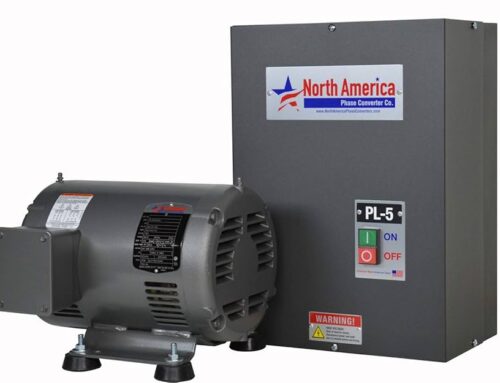
If you want to learn more about phase converters and the different options NAPCco offers, you can access more information here: phase converters.
Why Most Shops Already Use One Machine at a Time
Even in high-production environments, it’s rare for every machine to run at once. A woodworker might start the day on the tablesaw, switch to the jointer, then move to the planer. A metal shop may run a mill while the lathe sits idle. The only tools that might run in the background are things like dust collectors or compressors.
Because of this natural workflow, one well-sized converter is usually enough to support everything. That’s a big reason many shop owners choose phase converters over costly service upgrades.
Getting the Sizing Right
Sizing is the key to a smooth multi-machine setup. When the phase converter is matched correctly to your equipment, everything runs cleaner, cooler, and more efficiently.
Here’s what you need to think about:
- Your largest machine’s startup load
This determines the minimum converter size needed, but is only the starting point. It’s important to remember that oversizing is needed for rotary phase converters. - The tools you might run together
For example, a CNC router, vacuum pump, and dust collector often operate at the same time. - How your shop might grow
If you expect to add a machine or upsize a tool, sizing up now saves money later.
Rotary converters do well with heavy torque loads. Digital phase converters offer very clean voltage, which is helpful for CNC controls and sensitive electronics. Both work great in multi-machine setups when sized the right way.
For more information about properly sizing a phase converter, NAPCco’s sizing tools are a helpful starting resource
Setting Up a Multi-Machine System the Right Way
Once you pick the converter, the rest of the setup is straightforward:
- Use a 3-phase load center
The converter feeds a dedicated panel, and each machine connects to its own breaker. - Match the wiring to the load
Proper wire size and breaker size prevent voltage drops and current spikes. - Give the converter good airflow
Heat affects performance. A ventilated spot helps it run better and last longer. - Keep an eye on high-torque tools
Air compressors, pumps, and large lathes require more planning than smaller tools. - Make sure older motors are healthy
Worn-out motors draw more current and can affect overall performance.
Handled correctly, a multi-machine setup becomes a dependable part of your shop for years.
Why Multi-Machine Phase Converter Systems Make Sense
Choosing one converter for multiple tools comes with a lot of advantages:
- Lower cost than upgrading electrical service
• Cleaner, more organized 3-phase distribution
• Room to add new machines without major electrical work
• Reliable power even in buildings with only single-phase service
• Less complexity when troubleshooting or rearranging equipment
For many shops, this setup isn’t just practical; it’s the most cost-effective way to grow.
Is This Setup Right for Your Workspace?
If you’re running 3-phase equipment in a building with single-phase service, a properly sized converter can handle far more than one tool. Whether you manage a woodworking shop, metal shop, garage, or small manufacturing space, a multi-machine system gives you the freedom to expand without worrying about electrical limitations.
To explore available options again, you can see North America Phase Converter Co.’s selection here: phase converters. If you are unsure where to start or need help sizing, our team of knowledgeable technicians can help you figure out the best converter for your setup.