

If you operate machinery that requires three-phase power but only have single-phase service available, a phase converter is often the most practical solution. These devices create the power your equipment needs without costly utility upgrades, making them popular in shops, farms, and manufacturing facilities across the country. Buyers usually want to know one thing before investing: how much does a phase converter cost?
The answer depends on the type of phase converter and its size. Prices range from a few hundred dollars for simple static models to several thousand for advanced digital systems. Understanding how different converters work and what factors affect their price will help you make a more informed decision.
Types of Phase Converters and Their Costs
There are several types of phase converters, each with its own price range.
Rotary Phase Converters
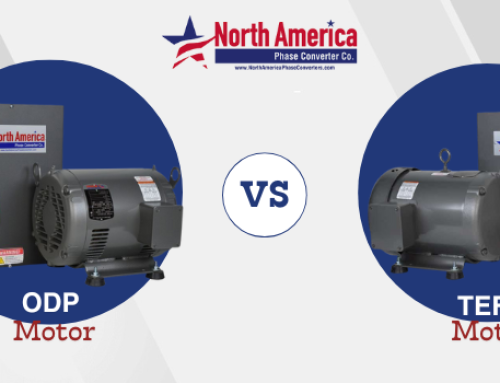
Rotary converters are the most common choice for many workshops and farms. They rely on an idler motor to generate balanced three-phase power and are designed to handle multiple machines simultaneously. The price typically ranges from $600 to $10,000, depending on the power rating. Many shop owners prefer them because they are versatile, durable, and capable of powering multiple pieces of equipment simultaneously.
Digital Phase Converters
Digital converters use modern microprocessor technology to deliver very precise power. They are the top option when you’re running CNC machines or other sensitive tools that require stable voltage and clean power. Due to their advanced design, they typically cost more, often ranging from $2,000 to $20,000. For businesses that depend on accuracy and reliability, the higher cost can be justified by the performance benefits it provides.
Static Phase Converters
Static converters are typically the least expensive, often priced between $100 and $600. Static phase converters are limited in what they can do because they only help a motor start on three-phase power and then let it run on single-phase. That means they reduce the overall efficiency of your machine and are best suited for light-duty applications. They are sometimes seen as a temporary solution rather than a long-term investment.
Factors That Affect Price
Several factors influence the cost of a converter. The first is the power requirements of your equipment or machines. Larger machines that require more power need a bigger converter, which increases the cost. The type of equipment also plays a role. If you are running CNC machines, welders, or laser cutters, you’ll often need a digital converter, which can be more expensive than a rotary model.
Another factor is quality and brand. Well-known manufacturers that focus on reliability and long-term performance may charge more upfront, but their phase converters often save you money in reduced downtime and longer service life. Installation costs should also be considered. All phase converters should be installed by a licensed electrician. Other considerations that affect price include long wire runs, the number of machines, and the type of machine termination and/or connections.
Why Investing in Quality Pays Off
When you compare prices, it may be tempting to choose the cheapest option available. However, low-cost units can cause major problems because of power-quality issues . Poor-quality converters or converters sized too small for their equipment may produce uneven power that stresses your motors and shortens their lifespan. In some cases, they can damage sensitive equipment entirely.
High-quality rotary and digital converters are designed to deliver balanced, reliable power. They can last decades with minimal maintenance, which means you’ll spend less money in the long run. Choosing the right unit is not just about saving money upfront—it’s about protecting your equipment and keeping your operation running without interruption.
When you purchase phase converters from a trusted source, you gain more than just equipment. You secure reliable power that keeps your business moving forward. That peace of mind is worth the difference in price.
How to Choose the Right Converter for Your Budget
Selecting the right converter for your budget starts with evaluating your equipment. Make a list of all the machines you need to power and their power ratings. Decide whether you’ll be running multiple machines at once or just a single unit. Think about the type of work you do as well. For woodworking, metalworking, and farming, rotary units are usually a reliable and efficient option. For CNC machines, digital converters are often the safer option.
It’s also wise to plan for the future. If you expect to add more machines to your shop, investing in a slightly larger converter now can prevent the need for another purchase later. Compare reliability and the availability of customer and technical support as well. A well-built converter backed by strong customer service is a better value than a cheaper unit with no support. At NAPCco, we offer 24/7 technical support and are always willing to answer any technical questions you may have.
The cost of a phase converter can range widely, from just a few hundred dollars for a basic static unit to several thousand for a high-performance digital system. Your specific needs, the type of equipment you run, and the level of reliability you want will determine what you pay.
If you’re ready to explore options that fit your shop, farm, or business, take a look at the complete selection of phase converters offered by North America Phase Converters. With the right equipment, you’ll have dependable power to keep your machines running at their best for years to come.