
The Basics No One Talks About
Picture this: you flip the switch on your machine, and instead of humming along smoothly, it runs hotter, shakes a little more, or just doesn’t seem as strong as it should. Most people think the motor itself is the problem. But often, the real issue is something less obvious: voltage balance.
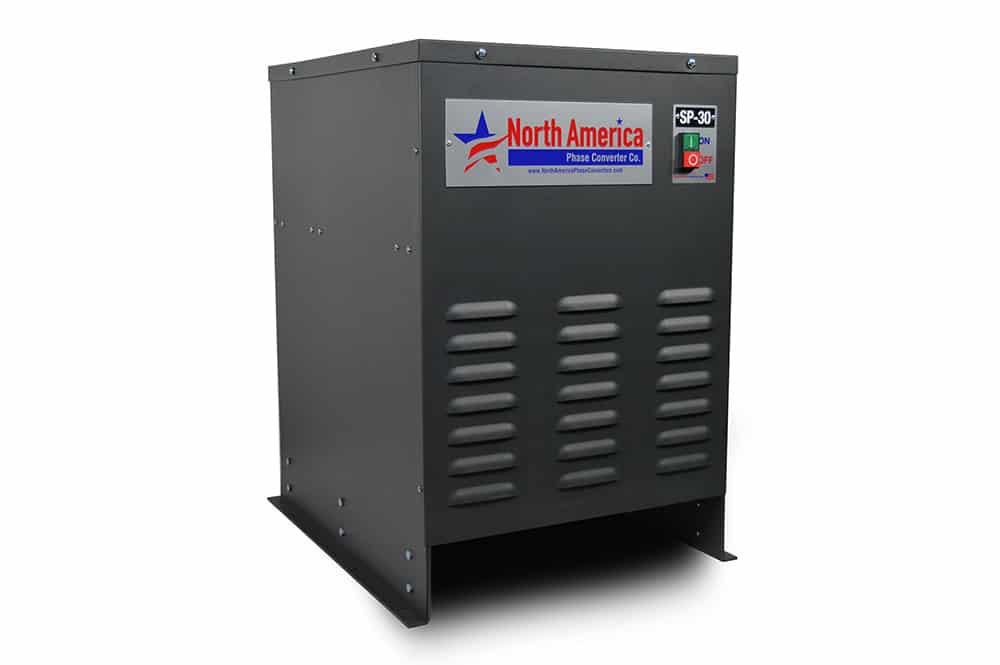
In a perfect three-phase system, all three lines share the load equally. When that balance slips, even by a small amount, things start to go wrong. That’s why investing in the right phase converters makes such a difference. They’re built to keep things steady, so your equipment performs the way it’s supposed to.
Why Voltage Balance Makes All the Difference
Think of your system like a three-legged stool. If one leg is shorter than the others, the stool wobbles. The same idea applies to your power supply: imbalance in one line makes the others work harder. For motors, that means pulling uneven current and running warmer.
The surprising part is the potential damage a small imbalance can cause. A difference of just one or two percent might not look like much on a meter, but inside your motor it’s a completely different story. That small shift multiplies stress, forces the motor to pull extra current, and generates heat that can cut its lifespan dramatically. What should run for decades may only last a few years.
The Domino Effect of Imbalance
Heat is usually the first sign of imbalance, but it’s not the only problem. Once one phase is out of line, the effects ripple across your equipment. You might notice:
- Extra vibration that rattles your equipment and wears out bearings.
- Higher electric bills as motors use more energy just to keep running.
- Unexpected shutdowns when drives or controllers trip from unbalanced current.
It’s like asking someone to carry all their weight on one shoulder. They might manage for a while, but the imbalance will wear them down quickly. Your machines go through the same struggle when voltages aren’t balanced.
A Shop Owner’s Example
Let’s say you run a woodworking shop. You power up your bandsaw through a phase converter that isn’t balanced properly. At first, it just seems a little noisier than usual. Then the blade speed feels inconsistent. Before long, the motor overheats, trips a breaker, and you’re left with downtime you didn’t plan for.
The reality is simple: imbalance adds hidden stress you might not notice until it’s too late. The fix? Using a converter designed for balance. The right phase converters keep those voltages steady, so instead of troubleshooting breakdowns, you can focus on getting work done.
Beyond the Woodshop: Other Real-World Scenarios
Woodworking isn’t the only place imbalance shows up. Farmers running irrigation pumps often face problems when voltages drift. An unbalanced supply can make pumps run hotter, wear seals faster, and even stall under heavy loads.
Machinists using CNC equipment also know how unforgiving imbalance can be. Even a slight drift can throw off precision, cause controllers to trip, or damage expensive electronics. The cost of one repair job can easily outweigh the price of a well-built converter.
In food service, commercial mixers and ovens rely on steady three-phase power. Imbalance can lead to uneven heating or burned-out motors right in the middle of a busy shift. That’s more than an inconvenience—it’s lost business.
Even HVAC systems are vulnerable. Compressors and fans often run on three-phase power, and when imbalance sneaks in, it can cause noisy operation, higher temperatures, or sudden failures that leave a building without cooling on the hottest day of the year.
These examples highlight one point clearly: voltage balance isn’t just a technical detail. It’s the difference between smooth daily operations and costly setbacks.
How You Can Stay Ahead of the Problem
The good news is that imbalance can be managed. Here are a few practical steps:
-
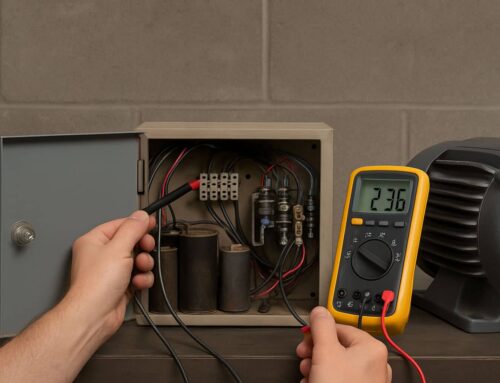
- Check your setup regularly. A quick voltage check while machines are running can reveal problems before they get serious.
- Spread out your loads. Don’t put too much strain on one line if you’re running multiple machines.
- Keep up with maintenance. Over time, components like capacitors can drift and throw off balance. Replace them when needed.
- Choose the right converter. Not all converters are created equal. Some are engineered specifically to deliver balanced power, even under heavy load.
- Properly size your converter. Make sure your converter is correctly sized for your application needs. Our sizing guide is a helpful starting point.
- Check your setup regularly. A quick voltage check while machines are running can reveal problems before they get serious.
A little attention up front saves a lot of money and frustration down the road.
Bringing It All Together
Voltage balance isn’t something you can see, but you’ll definitely feel the effects when it’s off. From higher energy costs to burned-out motors, imbalance creates problems that can spread quickly across your shop, farm, or business.
The good news is that having the right knowledge will give you the tools to manage your voltage balance. With the right equipment, you can keep things running smoothly. Our phase converters are designed to give your machines the balanced power they need, so instead of dealing with breakdowns, you can focus on the work that matters. Our experienced technicians can also help answer your voltage balance questions if they arise.

Leave A Comment